

A mobile gaming app is a software package that runs on a smartphone or tablet, delivering interactive entertainment that can be downloaded from an app store or accessed through a web browser. Unlike traditional console or PC games, these apps are designed for touch input, short play sessions, and the on‑the‑go lifestyle of the modern user.
How the Numbers Tell a Story
Last year, global downloads of mobile games topped 2.3 billion, a 15 % increase over 2022. In the United States alone, the average user spent 6.5 hours per week playing mobile titles, up from 5.3 hours. These figures illustrate a clear shift: people are allocating more of their leisure time to games that fit into a coffee break or a commute.
Revenue follows the same trend. The mobile gaming market generated $90 billion in 2023, eclipsing $70 billion from console and PC combined. The spike is driven largely by freemium models, where basic gameplay is free but players pay for cosmetic items or speed‑ups. In 2023, in‑app purchases accounted for 70 % of mobile gaming revenue, compared to 45 % for console games.
Design Choices That Matter
Touch controls and adaptive layouts are the backbone of mobile games. Developers use responsive design to keep menus legible on a 5‑inch screen, and they often implement gesture controls that mimic real‑world actions. For example, a racing game may allow a player to swipe left or right to steer, while a puzzle game uses tap‑and‑drag mechanics for piece placement.
Performance optimization is critical. A game that lags on a mid‑range phone will see a 20 % drop in retention. To counter this, developers use asset bundles that load only what’s needed for the current level, keeping memory usage below 200 MB on average. This technical discipline translates directly into a smoother player experience.
Social Connectivity and Micro‑Economies
Most mobile titles embed social features: leaderboards, friend lists, and in‑game chat. These elements encourage competition and collaboration, extending the life of a game beyond the first download. A study by the Interactive Entertainment Association found that players who engage with friends are 35 % more likely to make a purchase.
Micro‑economies—tiny in‑app transactions—have become a staple. A cosmetic skin that costs $4.99 can boost a game’s revenue by 12 % during a single promotional week. However, the price point can be a barrier for casual players, and some critics argue that aggressive monetization may erode trust if not handled transparently.
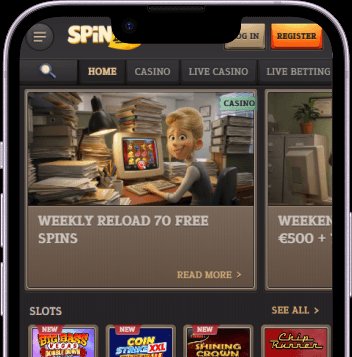
For those craving a different spin, Spinboss Casino offers a mobile-friendly casino experience.
Accessibility and Inclusivity
Mobile platforms lower the entry barrier. A game that costs $0.99 to download is accessible to a broader audience than a $59.99 console title. Moreover, accessibility features like high‑contrast modes, adjustable text size, and voice‑over support make games playable for people with visual or motor impairments.
Yet, not all titles are created equal. Many games still lack comprehensive subtitles or alternative input methods, limiting their reach. Developers who prioritize inclusivity often see higher engagement from niche demographics, proving that accessibility can be both ethical and profitable.
From Pocket to Platform: The Cross‑Play Trend
Cross‑play—where players on different devices can interact—has become a selling point. A mobile shooter that syncs with a PC version allows a player to start a match on a phone during a lunch break and finish it on a desktop at home. This fluidity keeps users invested, as they can continue progress without waiting for a platform‑specific update.
Beyond Games: A New Entertainment Ecosystem
Mobile gaming apps are no longer isolated from other media. Many titles now integrate with streaming services, allowing players to watch gameplay highlights on YouTube or share clips on TikTok. This convergence of gaming, social media, and content creation fuels a self‑sustaining ecosystem where players become creators.
Linking Play to Online Entertainment
While exploring new ways to enjoy mobile games, some gamers look for deeper online experiences. For instance, a player who loves a casual match‑3 game might also be interested in an online casino that offers similar casual, bite‑size gameplay. Spinboss Casino provides a platform where users can try out a variety of casino games, from slots to table games, all accessible on mobile devices.
Looking Ahead
Artificial intelligence is poised to personalize gameplay further, recommending challenges based on a player’s past performance. Cloud gaming services, such as those offered by major tech firms, promise to eliminate hardware constraints altogether, allowing a single app to run high‑definition titles on any device.
In short, mobile gaming apps are reshaping how we spend our free time. They blend convenience, social interaction, and micro‑economies into a package that fits neatly into the palm of your hand. As technology advances, the line between casual play and immersive entertainment will blur even more, offering users an ever‑expanding playground.
Frequently Asked Questions
What exactly is a mobile gaming app?
A mobile gaming app is a software package designed for smartphones or tablets, offering interactive entertainment through touch controls and short play sessions.
How do mobile gaming apps differ from console games?
Unlike consoles, mobile apps prioritize touch input, quick gameplay, and accessibility via app stores or browsers, catering to casual, on‑the‑go users.
Why are mobile gaming apps so popular worldwide?
They combine ease of download, diverse genres, social features, and continuous updates, driving billions of downloads each year.
What benefits can I gain from using mobile gaming apps?
They enhance hand‑eye coordination, offer stress relief, and provide a convenient way to stay entertained anytime, anywhere.