


The Allure of Risk: Why People Gamble
The act of gambling taps into fundamental human desires for excitement, reward, and the possibility of a significant life change. At its core, gambling offers a unique blend of chance and skill (in some games), creating an environment where anticipation and potential gain are paramount, and for some, the allure of a casino is undeniable. This inherent tension between uncertainty and reward is a powerful psychological draw, stimulating the brain’s reward pathways and fostering a sense of thrill.

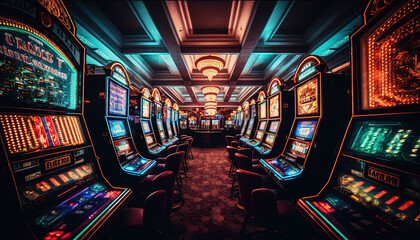
The appeal extends beyond mere financial gain. For many, gambling provides an escape from the mundane, a form of entertainment that can be highly immersive. The sensory experiences in a casino environment – the sounds, lights, and social interactions – all contribute to an atmosphere designed to heighten engagement and make the experience more captivating. This sensory richness can amplify the psychological impact of wins and losses alike.
Understanding the Brain’s Reward System in Gambling
When individuals engage in gambling, particularly when they experience a win, their brains release dopamine, a neurotransmitter associated with pleasure and reward. This creates a positive feedback loop; the anticipation of a win, the win itself, and the subsequent dopamine surge reinforce the behavior, making it more likely to be repeated. This neurological response is a key reason why gambling can become so compelling.
The intermittent nature of rewards in gambling is also crucial. Unlike predictable rewards, the uncertainty of when the next win will occur keeps players engaged and hopeful. This variable ratio reinforcement schedule is known to be highly effective in maintaining behavior, as the player continues to seek that elusive, unpredictable payout. This psychological principle is a cornerstone of why many find casino games so habit-forming.
The Role of Cognitive Biases in Gambling Decisions
Gamblers often fall prey to various cognitive biases that influence their decision-making and perception of reality. The “illusion of control” is a common one, where players believe they can influence the outcome of games of chance through rituals, superstitions, or perceived skill, even when the outcome is purely random. This bias can lead to increased risk-taking and a distorted sense of agency.
Another significant bias is the “gambler’s fallacy,” the mistaken belief that if a particular event occurs more frequently than normal during the past, it is less likely to happen in the future (or vice versa). For example, believing that after a series of red outcomes on a roulette wheel, black is “due.” This faulty reasoning ignores the independent nature of most gambling outcomes and can lead to poor betting strategies.
Escapism and Social Dynamics in the Gambling World
For some, gambling serves as a form of escapism, offering a temporary reprieve from everyday stressors and anxieties. The focus required for placing bets and following game play can provide a mental distraction, and the excitement of the casino environment can be an antidote to boredom or routine. This temporary shift in focus can be psychologically rewarding in itself.
The social aspect of gambling also plays a role. Casinos and betting establishments are often designed as social hubs, fostering a sense of community and shared experience. For some, this social interaction, the camaraderie with fellow players, and the shared thrill of the game are as important as the potential for winning. This communal element can strengthen the attachment to gambling activities.
Exploring Tropicanza GB: A Gateway to Entertainment
Organizations like Tropicanza GB aim to provide regulated and enjoyable environments for individuals seeking entertainment. Their platform likely focuses on offering a variety of gaming options within a secure framework, designed to appeal to those who appreciate the excitement of chance and the thrill of potential wins. Understanding the psychological drivers behind gambling helps such organizations create engaging experiences.
Tropicanza GB likely emphasizes responsible gaming practices, understanding that the allure of gambling is powerful and that engaging with these activities requires awareness and control. By offering a structured and potentially exciting form of entertainment, platforms like Tropicanza GB cater to the human fascination with risk and reward, while ideally promoting a safe and enjoyable experience for their users.
