


Mines by Spribe is a quick-play casino game built around a simple choice: reveal tiles on a grid, avoid hidden mines, and decide when to collect a potential payout. Its animated presentation supports that compact format without turning every round into a long spectacle. For players from Multi, the game’s visual quality is best judged by how clearly it communicates each action, how smoothly it responds, and whether its effects remain readable during fast play.
Animation is not merely decoration in Mines. The player needs to distinguish selected tiles, safe reveals, and a round-ending mine result at a glance. Spribe’s restrained visual approach generally keeps those signals prominent. The result is a game that favors clarity and pace over elaborate scenes, while still using motion and sound cues to make each reveal feel consequential.
First Impressions: Motion in a Minimalist Game
The Mines interface centers on a field of covered tiles. Before a round, players set a stake and choose how many mines to include. Once play begins, each selected tile changes state through a short reveal animation. A safe tile is shown as a successful pick, while a mine ends the round and makes the outcome visible.
This setup gives animation a practical job. It must show what changed and when, without hiding the grid or delaying the next decision. Spribe’s effects are generally brief, so the basic rhythm stays brisk: choose a tile, see the result, and either continue or cash out. The motion adds emphasis, but does not require players to watch a long sequence after every click.
Tile reveals and feedback
The reveal is the game’s most frequent animation, so its timing matters more than any occasional flourish. A successful selection needs to feel immediate while still being distinct from an untouched tile. Clear transitions help prevent uncertainty about whether a click registered, especially during repeated rounds. The visual feedback also makes it easier to follow a sequence of choices on the grid.
When a mine is uncovered, the outcome needs to be unmistakable. A clear losing-state animation helps close the round and separates it from a safe reveal. That distinction is important in a game where the entire decision cycle can take only a few seconds. The animation should communicate the result, not obscure it with excessive effects.
How the Visual Style Supports Gameplay
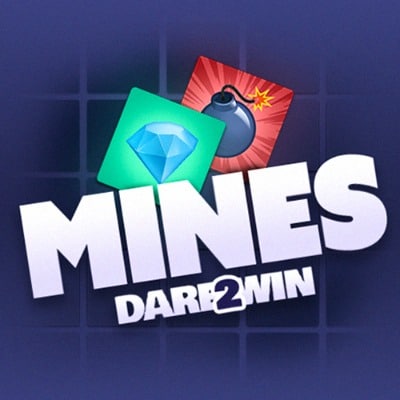
Mines is not a character-led game with a large world to explore. Its visual identity comes from the grid, the changing tiles, and the interface elements used to set up a round. That makes consistency more valuable than visual complexity. The game’s compact animations suit its rules: the player’s attention stays on risk, potential return, and the next decision.
Motion also helps establish a rhythm. Each reveal gives the player a brief moment to register the outcome before deciding what to do next. If the animations were too slow, they would interrupt the pace; if they were too subtle, results could feel unclear. Mines aims for a middle ground, making the central interactions noticeable while keeping the game moving.
Animation quality on different screens
Players from Multi may access casino games on desktop or mobile, and the tile grid needs to remain legible on both. A compact layout is useful on smaller screens, where large effects could crowd the controls or make the board harder to scan. The animation style is therefore most effective when it stays close to the tile being revealed and avoids unnecessary movement elsewhere on the screen.
Actual performance can depend on a player’s device, browser, connection, and the casino platform hosting the game. A smooth animation on one setup is not a guarantee of identical performance on another. If tiles appear delayed or controls do not respond normally, refreshing the game or checking the connection may help. Players should also use the casino’s official game access rather than relying on unofficial pages or downloads.
Playing a Round: A Short Visual Walkthrough
A typical round begins with the player choosing a stake and selecting the mine count. The board then presents covered tiles. With each pick, the selected tile animates into its result. If it is safe, the player can continue to pursue a higher potential multiplier or collect the displayed amount. If a mine appears, the round ends according to the game’s rules.
This loop makes the animation easy to evaluate in context. The game does not need lengthy transitions between levels or elaborate cutscenes. It needs to make the current state clear, show the consequence of a pick, and leave the controls accessible. Spribe’s concise visual feedback is well matched to those requirements.
In practical terms, players should take a moment to read the screen before making another selection. Animation can make a round feel fast, but it does not change the underlying odds or guarantee a result. A visually satisfying sequence of safe picks is still subject to chance, and a mine can appear at any point permitted by the game’s setup.
Comments on Strategies and Tips
Animation quality can influence how comfortable the game feels, but it should not be confused with a strategy advantage. The tile effects display outcomes; they do not predict future results. A useful approach is to set a budget before playing, choose a stake that fits it, and decide in advance when to stop or collect. These habits help keep attention on controlled play rather than on the excitement of the next reveal.
- Keep decisions deliberate: wait until the result animation has finished before choosing another tile, especially on a small screen.
- Set a limit: decide on a maximum spend and session length before opening the game.
- Understand the risk: changing the number of mines affects the game’s risk profile and potential payouts; check the displayed rules and values.
- Do not chase losses: a previous round’s outcome does not determine what will happen next.
These are general responsible-play practices, not a method for ensuring a win. The best use of the game’s clear feedback is to understand each round, not to infer patterns from animation or tile placement.
Questions and Answers
Does the animation affect the outcome?
No. Animation presents the result of a selection; it is not evidence that a tile is more or less likely to contain a mine. Players should consult the game’s rules and the casino’s information for details on how rounds and payouts work.
Is Mines by Spribe suitable for mobile play?
The grid-based format can work well on mobile because it relies on a small set of direct interactions. The experience can still vary by device and browser. Players should check that the board and controls are readable before staking money.
Can players try the game in demo mode?
Availability depends on the casino offering the game and the rules in the player’s location. If a demo option is provided, it can help players learn the interface and observe the animations without wagering real money. Demo play should not be treated as a forecast of real-money outcomes.
Where should players log in?
Use the official website or app of a casino that is available to you, and follow its account and verification requirements; A search phrase such as Spribe explosive tiles player login page may appear in online results, but players should verify the destination carefully and avoid entering credentials on unfamiliar or unofficial sites.
Overall Animation Assessment
Mines by Spribe uses animation with a clear purpose: to make each tile selection and its result easy to follow. The visual effects are short enough to preserve the game’s fast pace, while the changing tile states provide the feedback needed to understand what happened. This measured style fits a game whose appeal comes from repeated decisions rather than from a long audiovisual presentation.
The experience is strongest when the interface remains responsive and the grid is easy to read. Its restrained motion may feel less dramatic than the effects in larger casino games, but that is not necessarily a weakness. In Mines, extra spectacle could compete with the player’s attention. Clear reveals and a distinct end-of-round state are more useful than animation for its own sake.
For players from Multi, the overall impression is of a compact, functional presentation that supports the game’s central tension. The animations add polish and make the outcomes feel immediate, but they do not alter the chance-based nature of play. Anyone trying Mines should focus on understanding the rules, setting sensible limits, and choosing a licensed, trustworthy casino platform. As an animation quality review, the verdict is that Spribe’s visual feedback is concise, readable, and appropriately matched to the game’s quick decision cycle.


